AI Content Producer

AI Content Producer — independent reviews, comparisons, pricing and step-by-step guides on Aizhi.

  • Layers (digital image editing)

    Layers (digital image editing)

    Layers are used in digital image editing to separate different elements of an image. A layer can be compared to a transparency on which imaging effects or images are applied and placed over or under an image. Today they are an integral feature of image editors. In the early days of computing, memory was at a premium and the idea of using multi-layered images was considered infeasible in personal computer applications as the tradeoffs were image size and color depth. As the price of memory fell it became feasible to apply the concept of layering to raster images. The first software known to apply the concept of layers was LALF, which was released in 1989 for the NEC PC-9801. LALF's terminology for layers is "cells", after the concept of drawing animation frames over-top of a stencil. Layers were introduced in Western markets by Fauve Matisse (later Macromedia xRes), and then available in Adobe Photoshop 3.0, in 1994, which lead to widespread adoption. In vector image editors that support animation, layers are used to further enable manipulation along a common timeline for the animation; in SVG images, the equivalent to layers are "groups". == Layer types == There are different kinds of layers, and not all of them exist in all programs. They represent a part of a picture, either as pixels or as modification instructions. They are stacked on top of each other, and depending on the order, determine the appearance of the final picture. In graphics software, layers are the different levels at which one can place an object or image file. In the program, layers can be stacked, merged, or defined when creating a digital image. Layers can be partially obscured allowing portions of images within a layer to be hidden or shown in a translucent manner within another image. Layers can also be used to combine two or more images into a single digital image. For the purpose of editing, working with layers allows for applying changes to just one specific layer. == Layer (basic) == The standard layer available to most programs consists of a rectangular, semitransparent picture which may be superimposed over other layers. Some programs require that layers cover the same area as the final canvas, but others offer layers of multiple sizes. Each layer may bear individual settings, such as opacity, blending modes, dynamic filters, and potentially hundreds of other properties. == Layer mask == A layer mask is linked to a layer and hides part of the layer from the picture. What is painted black on the layer mask will not be visible in the final picture. What is grey will be more or less transparent depending on the shade of grey. As the layer mask can be both edited and moved around independently of both the background layer and the layer it applies to, it gives the user the ability to test a lot of different combinations of overlay. == Adjustment layer == An adjustment layer typically applies a common effect like brightness or saturation to other layers. However, as the effect is stored in a separate layer, it is easy to try it out and switch between different alternatives, without changing the original layer. In addition, an adjustment layer can easily be edited, just like a layer mask, so an effect can be applied to just part of the image.

    Read more →
  • U-Net

    U-Net

    U-Net is a convolutional neural network that was developed for image segmentation. The network is based on a fully convolutional neural network whose architecture was modified and extended to work with fewer training images and to yield more precise segmentation. Segmentation of a 512 × 512 image takes less than a second on a modern (2015) GPU using the U-Net architecture. The U-Net architecture has also been employed in diffusion models for iterative image denoising. This technology underlies many modern image generation models, such as DALL-E, Midjourney, and Stable Diffusion. U-Net is also being explored for language models. Tokenization is not a separate step, allowing the model to more easily understand spelling and concurrently vectorizing / tokenizing higher level concepts. == Description == The U-Net architecture stems from the so-called "fully convolutional network". The main idea is to supplement a usual contracting network by successive layers, where pooling operations are replaced by upsampling operators. Hence these layers increase the resolution of the output. A successive convolutional layer can then learn to assemble a precise output based on this information. One important modification in U-Net is that there are a large number of feature channels in the upsampling part, which allow the network to propagate context information to higher resolution layers. As a consequence, the expansive path is more or less symmetric to the contracting part, and yields a u-shaped architecture. The network only uses the valid part of each convolution without any fully connected layers. To predict the pixels in the border region of the image, the missing context is extrapolated by mirroring the input image. This tiling strategy is important to apply the network to large images, since otherwise the resolution would be limited by the GPU memory. Recently, there had also been an interest in receptive field based U-Net models for medical image segmentation. == Network architecture == The network consists of a contracting path and an expansive path, which gives it the u-shaped architecture. The contracting path is a typical convolutional network that consists of repeated application of convolutions, each followed by a rectified linear unit (ReLU) and a max pooling operation. During the contraction, the spatial information is reduced while feature information is increased. The expansive pathway combines the feature and spatial information through a sequence of up-convolutions and concatenations with high-resolution features from the contracting path. == Applications == There are many applications of U-Net in biomedical image segmentation, such as brain image segmentation (''BRATS'') and liver image segmentation ("siliver07") as well as protein binding site prediction. U-Net implementations have also found use in the physical sciences, for example in the analysis of micrographs of materials. Variations of the U-Net have also been applied for medical image reconstruction. Here are some variants and applications of U-Net as follows: Pixel-wise regression using U-Net and its application on pansharpening; 3D U-Net: Learning Dense Volumetric Segmentation from Sparse Annotation; TernausNet: U-Net with VGG11 Encoder Pre-Trained on ImageNet for Image Segmentation. Image-to-image translation to estimate fluorescent stains In binding site prediction of protein structure. == History == U-Net was created by Olaf Ronneberger, Philipp Fischer, Thomas Brox in 2015 and reported in the paper "U-Net: Convolutional Networks for Biomedical Image Segmentation". It is an improvement and development of FCN: Evan Shelhamer, Jonathan Long, Trevor Darrell (2014). "Fully convolutional networks for semantic segmentation".

    Read more →
  • Logical Machine Corporation

    Logical Machine Corporation

    Logical Machine Corporation (LOMAC) was an American computer company active from the mid-1970s to the 1980s and based in the San Francisco Bay Area. It was founded as John Peers and Company by the British entrepreneur John Peers in 1974. LOMAC developed the ADAM, a minicomputer which ran a specialized compiler for the company's natural English programming language. Throughout the late 1970s, the company acquired several technology firms, including Byte, Inc., the owner of the Byte Shop retail chain. Despite its unique approach to computing and earning $5 million in revenue in 1977, LOMAC struggled as the industry began to standardize around the IBM Personal Computer (IBM PC). Following Peers's departure in 1980, the company rebranded as Logical Business Machines, Inc. (LBM, or simply Logical), and attempted to pivot toward IBM PC–compatible hardware. However, financial difficulties led to the company filing for Chapter 11 bankruptcy in 1984. After emerging from bankruptcy in 1985 with new investment, Logical ceased hardware manufacturing to focus exclusively on software development and value-added reselling. == History == John Peers (born 1942) founded Logical Machine Corporation as John Peers and Company in September 1974. The company originally occupied a 4,500-square-foot office in Burlingame, California. The company was Peers' fourth; he had recently sold off Allied Business Systems of London to Trafalgar House in 1974. Peers sought to set up manufacturing in an agricultural zone in Ukiah, California. Following a delay, caused in part by concerned residents, a 30,000-square-foot plant was raised in Burke Hill, three miles south of Ukiah. The Ukiah plant was built to mass manufacture the company's ADAM minicomputer. The ADAM computer ran a specialized compiler for the company's natural English programming language; that is to say, the programming language attempted to closely emulate English syntax. Prototypes of the ADAM were built in May 1974, based on specifications devised in October 1973. Peers had yet to patent the technology as of June 1975. The ADAM's central processing unit was bolted onto an 7-by-6-foot L-shaped desk, on which rested its terminal. Twenty units of the ADAM were installed between April 1975 and February 1976, out of a backlog of orders for 3,500 from 500 clients, manufactured out of the company's Burlingame headquarters. It cost US$40,000. A controversial print advertisement featuring a naked woman seated at an ADAM terminal—as a pastiche of Adam and Eve—was recalled in early 1976 as a result of outcry from the National Organization for Women. The company changed its name to Logical Machine Corporation (LOMAC) in October 1976 and moved its headquarters to a 26,000-square-foot building in Sunnyvale, California, in anticipation of a ramping up of orders for the ADAM. The company originally occupied half of the building; they later purchased the other half from the tenant in July 1977 to double its manufacturing output. For fiscal year 1977, the company earned $5 million in revenue. In December 1977, LOMAC acquired Byte, Inc.—the proprietor of The Byte Shop, the first computer retail chain—from Paul Terrell and Boyd Wilson for an unspecified amount. The Byte Shop had 65 locations in the San Francisco Bay Area in 1978; it catered mainly to hobbyists with low cost microcomputer kits, in contrast to the high cost of LOMAC's ADAM. By July 1978, however, LOMAC were able to reduce the price of the ADAM down to $15,000. The company by that point had shipped their 50th ADAM and expanded to 14 countries. Also in 1978, LOMAC acquired Mass Memory—a high-tech optical storage company based in Phoenix, Arizona, whose products had storage capacities on the order gigabytes and terabytes—and Centigram, makers of the Mike—a computer with speech recognition. Later that year, the company introduced Tina, a low-cost version of the ADAM. LOMAC suffered losses that year and appointed Jerry Brandt to the board of directions, naming him chief operating officer, in August 1978. Brandt had Logical absorb Mass Memory and Centigram into the parent operations, shutting down their respective plants in the process, converted 10 Byte Shops to franchises and opened 25 more franchised Byte locations, and stopped direct sales of LOMAC's business computer products. By the beginning of 1979, LOMAC was profitable once more, and Brandt was let go from LOMAC. Peers left LOMAC in 1980, following a slump in the company's sales. He became an executive director of the United States Robotics Society, a consortium for industrial automation companies, that year. Following Peers' departure, LOMAC changed its name to Logical Business Machines, adopting the name of its European subsidiary. In 1983, the company announced a 16-bit clone of the IBM PC, called the Logical L-XT, which featured a 10-MB hard drive, 320-KB floppy drive and 192 KB of RAM, and a real-time clock, and came shipped with various software (including MS-DOS, a word processor, and a spreadsheet application) and an amber CRT monitor. The following year, the company introduced L-NET, a local area network system based on the L-XT that could link up to 64 computers. L-NET came shipped with a natural programming language, Diplomat—a descendant of the programming language used on the ADAM. In June 1983, Logical sued Coleco Industries over trademark infringement with the latter's to-be-released Adam microcomputer. Logical cited confusion from their existing ADAM customer base caused by the announcement of the Coleco Adam as the basis for the suit. Coleco challenged Logical in the press, writing that Logical's rights to the Adam trademark for use in computers had lapsed earlier in the year. The two settled out of court, with Coleco agreeing to license the Adam name from Logical in exchange for unlimited rights to the Adam trademark. Logical halted development of the L-XT when they filed for Chapter 11 bankruptcy in July 1984. The company had been $4 million in debt. They emerged from bankruptcy in September 1985, after being infused with $2 million from Carat Ltd. The latter immediately received a little less than 50 percent ownership in Logical—this stake set to grow to over 50 percent over the next six months. As part of the terms of exiting bankruptcy, Logical stopped manufacturing hardware and strictly became a software development company and value-added reseller of computer systems.

    Read more →
  • Dr. Sbaitso

    Dr. Sbaitso

    Dr. Sbaitso ( SPAYT-soh) is an artificial intelligence speech synthesis program released late in 1991 by Creative Labs in Singapore for MS-DOS-based personal computers. The name is an acronym for "SoundBlaster Acting Intelligent Text-to-Speech Operator." == History == Dr. Sbaitso was distributed with various sound cards manufactured by Creative Technology in the early 1990s. The text-to-speech engine used is a version of Monologue, which was developed by First Byte Software. Monologue is a later release of First Byte's "SmoothTalker" software from 1984. The program "conversed" with the user as if it were a psychologist, though most of its responses were along the lines of "WHY DO YOU FEEL THAT WAY?" rather than any sort of complicated interaction. When confronted with a phrase it could not understand, it would often reply with something such as "THAT'S NOT MY PROBLEM." Dr. Sbaitso repeated text out loud that was typed after the word "SAY." Repeated swearing or abusive behavior on the part of the user caused Dr. Sbaitso to "break down" in a "PARITY ERROR" before resetting itself. The same would happen, if the user types "SAY PARITY." The program introduced itself with the following lines: HELLO [UserName], MY NAME IS DOCTOR SBAITSO. I AM HERE TO HELP YOU. SAY WHATEVER IS IN YOUR MIND FREELY, OUR CONVERSATION WILL BE KEPT IN STRICT CONFIDENCE. MEMORY CONTENTS WILL BE WIPED OFF AFTER YOU LEAVE, SO, TELL ME ABOUT YOUR PROBLEMS. The program was designed to showcase the digitized voices the cards were able to produce, though the quality was far from lifelike. Additionally, there was a version of this program for Microsoft Windows through the use of a program called Prody Parrot; this version of the software featured a more detailed graphical user interface. The text-to-speech was also used as the voice of 1st Prize from the Baldi's Basics series, albeit slowed down. == Commands == If the user submits "HELP", a list of commands will appear. If the user then submits "M", more commands will appear. There are three pages of commands in total, with guidance on how to use each of the features.

    Read more →
  • Companion robot

    Companion robot

    A companion robot is a robot created to create real or apparent companionship for human beings. Target markets for companion robots include the elderly and single children. Companions robots are expected to communicate with non-experts in a natural and intuitive way. They offer a variety of functions, such as monitoring the home remotely, communicating with people, or waking people up in the morning. Their aim is to perform a wide array of tasks including educational functions, home security, diary duties, entertainment and message delivery services, etc. The idea of companionship with robots has already existed on science fictions of 1970s, like R2-D2. Starting from the late 20th century, companion robots became a reality, mostly as robotic pets. Besides entertainment purposes, interactive robots were also introduced as a personal service robot for elderly care around 2000. == Characteristics == Companion robots try to interact with users. They gather information about users based on their interactions and yield feedback. This procedure varies slightly based on their specific roles. For example, social-companion robots make simple conversations, while pet-companion robots mimic being real pets. == Types == Companion robots can perform a variety of tasks and they are produced in a specialized manner according to their purpose or target audience in order to increase convenience and end user satisfaction. === Social companion robots === Social companion robots are designed to provide companionship and be a solution for unwanted solitude. They often mimic adult human, child or pet behaviours appealing to the user base. Robots which are specifically devised for simple conversations, conveying emotions and respond to user feelings fall under this category. === Assistive companion robots === Assistive companion robots are aimed at people who require constant care because of age, disability or rehabilitation purposes. Such robots can help disadvantaged users with their daily tasks, act as reminders (e.g., for regular medication) and facilitate mobility in everyday actions. Assistive companion robots reduce the intensity of labour that should be performed by caretakers, nurses and legal guardians. === Educational companion robots === Educational companion robots perform tutorship for students, regardless of their ages, and can teach desired subjects with activities tailored for the user such as interactive assignments and games. Rather than replacing teachers and instructors, educational companion robots are aides to them. === Therapeutic companion robots === Designed for individuals coping with stress (PTSD in severe cases), anxiety and loneliness; therapeutic companion robots support users' emotional and mental wellbeing. Such robots can be utilized in hospitals and care facilities as well as dwellings where the distressed user may need the most help. Therapeutic companion robots bear a vast resemblance to assistive companion robots to the extent of being a branch of them; the nuance between these two types of companion robots is that the former is for long-term/lifetime usage while the latter is mostly for the duration of the therapy received by the user. === Pet companion robots === Pet companion robots are for individuals who seek an alternative to live pets as live animals demand a considerable amount of care and may not be eligible for people with allergies. These robots aim to be perfect imitations of a pet while diminishing the chore aspect of having one. === Entertainment companion robots === Entertainment companion robots are designed solely for entertainment and can provide numerous ways of entertainment, ranging from dancing to playing games with the user. People who would appreciate an individual to have fun with are the main audience of such products. === Personal assistant robots === Personal assistant robots help people with daily tasks, management, scheduling, reminding etc. Their area of activity can be offices as well as homes and public spaces. === Sex robots === Sex robots are anthropomorphic robotic sex dolls that have human-like movement or behavior, and some degree of artificial intelligence. As of 2026, although elaborately instrumented sex dolls have been created by a number of inventors, no fully animated sex robots yet exist. Simple devices have been created which can speak, make facial expressions, or respond to touch. There is controversy as to whether developing them would be morally justifiable. In 2015, robot ethicist Kathleen Richardson called for a ban on the creation of anthropomorphic sex robots with concerns about normalizing relationships with machines and reinforcing female dehumanization. Questions about their ethics, effects, and possible legal regulations have been discussed since then. == Examples == There are several companion robot prototypes, and these include Paro, CompanionAble, and EmotiRob, among others. === Paro === Paro is a pet-type robot system developed by Japan's National Institute of Advanced Industrial Science and Technology (AIST). The robot, which looked like a small harp seal, was designed as a therapeutic tool for use in hospitals and nursing homes. The robot is programmed to cry for attention and respond to its name. Experiments showed that Paro facilitated elderly residents to communicate with each other, which led to psychological improvements. === CompanionAble === This robot is classified as an FP 7 EU project. It is built to "cooperate with Ambient Assistive Living environment". The autonomous device, which is also built to support the elderly, helps its owner interact with smart home environment as well as caregivers. The robot functions as a mobile friend, by which natural interaction is possible via speech and the touchscreen to detect and track people at home. === EmotiRob === EmotiRob is developed in a robotics project which is the continuity of the MAPH (Active Media For the Handicap) project in emotion synthesis. The aim of the project was to maintain emotional interaction with children. EmotiRob designed in a way that a child can hold it in a his/her arms and with which he/she could interact by talking to it, and then the robot would express itself through body postures or facial expressions. It has cognitive capabilities, which are further extended so that the robot can have a natural linguistic interaction with its owner through the DRAGON speech-recognition software developed by a company called NUANCE. Such interaction is expected to facilitate a child's cognitive development and develop new learning patterns. === LOVOT === Lovot is a Japanese company robot whose only purpose is "to make you happy". It features over 50 sensors that mimic the behavior of a human baby or small pet, a 360° camera with a microphone, the ability to distinguish humans from objects, neoteny eyes, and an internal warmth of 30° celsius. An interactive Lovot Café was opened in Japan October 3, 2020. === NICOBO === Nicobo was developed by Panasonic and was influenced by the loneliness of lockdowns created as a measure of the COVID-19 pandemic. It was designed to appear vulnerable, which creates empathy in its owners. Nicobo's name derives from the Japanese word for "smile". It wags its tail, engages in baby talk, and stays as a housemate. === Hyodol === Hyodol is an advanced care robot designed to support the elderly by reminding them to take their medications and monitoring their movements to keep their guardians informed. Additionally, this innovative robot can detect and respond to the emotional states of its elderly users, adding a layer of personalized care. Hyodol is designed with the appearance and speech style of a 7-year-old Korean grandchild, featuring a soft fabric exterior and user interaction methods such as striking the head or patting the back. It is equipped with various sensors and wireless communication technologies to collect and process data, supporting mobile apps and PC web monitoring systems for remote monitoring from anywhere. In South Korea, approximately 10,000 Hyodol robots are deployed to the homes of elderly individuals living alone, providing essential support and companionship. Local governments, including provincial and county offices, have embraced Hyodol as a solution to address social challenges stemming from the country's rapidly aging society.Furthermore, the robot is widely utilized in the treatment of dementia patients at a university hospital in Gangwon province. Hyodol was honored with the Mobile World Congress (MWC) Global Mobile Awards (GLOMO) in the "Best Mobile Innovation for Connected Health and Wellbeing" category on February 29, 2024. === Moxie === Moxie was a companion robot for autistic children developed by a company called Embodied. Although it had limited motion, it presented itself as a lifelike avatar. It was designed to help the children learn emotional cognition, using remotely hosted large language models to direct its respons

    Read more →
  • Document mosaicing

    Document mosaicing

    Document mosaicing is a process that stitches multiple, overlapping snapshot images of a document together to produce one large, high resolution composite. The document is slid under a stationary, over-the-desk camera by hand until all parts of the document are snapshotted by the camera's field of view. As the document slid under the camera, all motion of the document is coarsely tracked by the vision system. The document is periodically snapshotted such that the successive snapshots are overlap by about 50%. The system then finds the overlapped pairs and stitches them together repeatedly until all pairs are stitched together as one piece of document. The document mosaicing can be divided into four main processes. Tracking Feature detecting Correspondences establishing Images mosaicing. == Tracking (simple correlation process) == In this process, the motion of the document slid under the camera is coarsely tracked by the system. Tracking is performed by a process called simple correlation process. In the first frame of snapshots, a small patch is extracted from the center of the image as a correlation template. The correlation process is performed in the four times size of the patch area of the next frame. The motion of the paper is indicated by the peak in the correlation function. The peak in the correlation function indicates the motion of the paper. The template is resampled from this frame and the tracking continues until the template reaches the edge of the document. After the template reaches the edge of the document, another snapshot is taken and the tracking process performs repeatedly until the whole document is imaged. The snapshots are stored in an ordered list to facilitate pairing the overlapped images in later processes. == Feature detecting for efficient matching == Feature detection is the process of finding the transformation that aligns one image with another. There are two main approaches for feature detection. Feature-based approach : Motion parameters are estimated from point correspondences. This approach is suitable for the case that there is plenty supply of stable and detectable features. Featureless approach : When the motion between the two images is small, the motion parameters are estimated using optical flow. On the other hand, when the motion between the two images is large, the motion parameters are estimated using generalised cross-correlation. However, this approach requires a computationally expensive resources. Each image is segmented into a hierarchy of columns, lines, and words to match the organised sets of features across images. Skew angle estimation and columns, lines and words finding are the examples of feature detection operations. === Skew angle estimation === Firstly, the angle that the rows of text make with the image raster lines (skew angle) is estimated. It is assumed to lie in the range of ±20°. A small patch of text in the image is selected randomly and then rotated in the range of ±20° until the variance of the pixel intensities of the patch summed along the raster lines is maximised. To ensure that the found skew angle is accurate, the document mosaic system performs calculation at many image patches and derive the final estimation by finding the average of the individual angles weighted by the variance of the pixel intensities of each patch. === Columns, lines and words finding === In this operation, the de-skewed document is intuitively segmented into a hierarchy of columns, lines and words. The sensitivity to illumination and page coloration of the de-skewed document can be removed by applying a Sobel operator to the de-skewed image and thresholding the output to obtain the binary gradient, de-skewed image. The operation can be roughly separated into 3 steps: column segmentation, line segmentation and word segmentation. Columns are easily segmented from the binary gradient, de-skewed images by summing pixels vertically. Baselines of each row are segmented in the same way as the column segmentation process but horizontally. Finally, individual words are segmented by applying the vertical process at each segmented row. These segmentations are important because the document mosaic is created by matching the lower right corners of words in overlapping images pair. Moreover, the segmentation operation can organize the list of images in the context of a hierarchy of rows and column reliably. The segmentation operation involves a considerable amount of summing in the binary gradient, de-skewed images, which done by construct a matrix of partial sums whose elements are given by p i y = ∑ u = 1 i ∑ v = 1 j b u v {\displaystyle p_{iy}=\sum _{u=1}^{i}\sum _{v=1}^{j}b_{uv}} The matrix of partial sums is calculated in one pass through the binary gradient, de-skewed image. ∑ u = u 1 u 2 ∑ v = v 1 v 2 b u v = p u 2 v 2 + p u 1 v 1 − p u 1 v 2 − p u 2 v 1 {\displaystyle \sum _{u=u_{1}}^{u_{2}}\sum _{v=v_{1}}^{v_{2}}b_{uv}=p_{u_{2}v_{2}}+p_{u_{1}v_{1}}-p_{u_{1}v_{2}}-p_{u_{2}v_{1}}} == Correspondences establishing == The two images are now organized in hierarchy of linked lists in following structure : image=list of columns row=list of words column=list of row word=length (in pixels) At the bottom of the structure, the length of each word is recorded for establishing correspondence between two images to reduce to search only the corresponding structures for the groups of words with the matching lengths. === Seed match finding === A seed match finding is done by comparing each row in image1 with each row in image2. The two rows are then compared to each other by every word. If the length (in pixel) of the two words (one from image1 and one from image2) and their immediate neighbours agree with each other within a predefined tolerance threshold (5 pixels, for example), then they are assumed to match. The row of each image is assumed a match if there are three or more word matches between the two rows. The seed match finding operation is terminated when two pairs of consecutive row match are found. === Match list building === After finishing a seed match finding operation, the next process is to build the match list to generate the correspondences points of the two images. The process is done by searching the matching pairs of rows away from the seed row. == Images mosaicing == Given the list of corresponding points of the two images, finding the transformation of the overlapping portion of the images is the next process. Assuming a pinhole camera model, the transformation between pixels (u,v) of image 1 and pixels (u0, v0) of image 2 is demonstrated by a plane-to-plane projectivity. [ s u ′ s v ′ s ] = [ p 11 p 12 p 13 p 21 p 22 p 23 p 31 p 32 1 ] [ u v 1 ] E q .1 {\displaystyle \left[{\begin{array}{c}su'\\sv'\\s\end{array}}\right]=\left[{\begin{array}{ccc}p_{11}&p_{12}&p_{13}\\p_{21}&p_{22}&p_{23}\\p_{31}&p_{32}&1\end{array}}\right]\left[{\begin{array}{c}u\\v\\1\end{array}}\right]\qquad Eq.1} The parameters of the projectivity is found from four pairs of matching points. RANSAC regression technique is used to reject outlying matches and estimate the projectivity from the remaining good matches. The projectivity is fine-tuned using correlation at the corners of the overlapping portion to obtain four correspondences to sub-pixel accuracy. Therefore, image1 is then transformed into image2's coordinate system using Eq.1. The typical result of the process is shown in Figure 5. === Many images coping === Finally, the whole page composition is built up by mapping all the images into the coordinate system of an "anchor" image, which is normally the one nearest the page center. The transformations to the anchor frame are calculated by concatenating the pair-wise transformations found earlier. The raw document mosaic is shown in Figure 6. However, there might be a problem of non-consecutive images that are overlap. This problem can be solved by performing Hierarchical sub-mosaics. As shown in Figure 7, image1 and image2 are registered, as are image3 and image4, creating two sub-mosaics. These two sub-mosaics are later stitched together in another mosaicing process. == Applied areas == There are various areas that the technique of document mosaicing can be applied to such as : Text segmentation of images of documents Document Recognition Interaction with paper on the digital desk Video mosaics for virtual environments Image registration techniques == Relevant research papers == Huang, T.S.; Netravali, A.N. (1994). "Motion and structure from feature correspondences: A review". Proceedings of the IEEE. 82 (2): 252–268. doi:10.1109/5.265351. D.G. Lowe. [1] Perceptual Organization and Visual Recognition. Kluwer Academic Publishers, Boston, 1985. Irani, M.; Peleg, S. (1991). "Improving resolution by image registration". CVGIP: Graphical Models and Image Processing. 53 (3): 231–239. doi:10.1016/1049-9652(91)90045-L. S2CID 4834546. Shivakumara, P.; Kumar, G. Hemantha; Guru, D. S.; Nagabhushan, P. (2006). "

    Read more →
  • Amazon Q

    Amazon Q

    Amazon Q is a chatbot developed by Amazon for enterprise use. Based on both Amazon Titan and GPT-5, it was announced on November 28, 2023. At launch, it was a part of the Amazon Web Services management console. Amazon CodeWhisperer is a part of Amazon Q Developer, a part of Amazon Q. == History == Amazon's business-focused chatbot Q was announced on November 28, 2023 in a preview, with a full version available at $20 per person per month. On July 19, 2025, the Amazon Q Visual Studio Code extension was compromised to delete the user's home directory. The issue was fixed on July 21. == Capabilities == Q can be prompted to summarize long documents and group chats, create charts, data analysis and write code. Q is also capable of accessing non-Amazon services. The chatbot is based on Amazon Titan and GPT-5, and uses the Amazon Bedrock repository of foundational models. It is part of the Amazon Web Services management console.

    Read more →
  • Corpus of Linguistic Acceptability

    Corpus of Linguistic Acceptability

    Corpus of Linguistic Acceptability (CoLA) is a dataset the primary purpose of which is to serve as a benchmark for evaluating the ability of artificial neural networks, including large language models, to judge the grammatical correctness of sentences. It consists of 10,657 English sentences from published linguistics literature that were manually labeled either as grammatical or ungrammatical. == Public version == The publicly available version of CoLA contains 9,594 sentences that belong to training and development sets. It excludes 1,063 sentences reserved for a held-out test set.

    Read more →
  • Digital Image Processing with Sound

    Digital Image Processing with Sound

    DIPS (Digital Image Processing with Sound) is a set of plug-in objects that handle real-time digital image processing in Max/MSP programming environment. Combining with the built-in objects of the environment, DIPS enables to program the interaction between audio and visual events with ease, and supports the realization of interactive multimedia art as well as interactive computer music. == Summary of Features == A plug-in software for Max/MSP (Max 5 and 6) More than 300 Max external objects and abstractions More than 90 OpenGL objects included More than 110 visual effect objects (Dfx library, Core Image Filters) A utility library for the easy of programming (prefix Dlib) A comprehensive set of sample patches, and a detailed tutorial Handling images & movie files (QuickTime, OpenGL) Render and move 3D models (OpenGL) Video signal input (QuickTime, video texture) Video input analysis: motion detect, face tracking (OpenCV, OpenGL) Importing 3D models (.obj file) Importing Quartz Composer files OpenGL Shading Language (GLSL) programming interface Easy integration of visual events using DIPSWindowMixer (OpenGL) == Description == DIPS is a free plug-in software (a set of external objects) for Max/MSP. It supports the designing of the interaction between sound and visual events in Max using Apple’s Core Image, OpenGL and OpenCV technologies, and consequently, provides a powerful and user-friendly programming environment for the creation of interactive multimedia art. DIPS can be used to detect a performer’s motions and to track positions of subtle details, such as the face, mouth, and eyes. It can also be used to measure the distance between objects and a Kinect sensor system, and offers powerful tools for realtime image processing of incoming video stream and stored movie files. In addition, it can be used to create complex images in a virtual three-dimensional space. The DIPS consists of a library of more than 300 Max external objects and abstractions, a comprehensive set of sample patches, and a detailed tutorial. Some of its strong points, in comparison with other similar plug-ins and software, are its ease of programming, power, and efficiency. The sample patches and tutorial contained in the installation package allows composers and artists who are interested in the creation of interactive art to realize sophisticated realtime video effects on a live video signal at their first practice. And because of its ease of programming, it is likely that one will soon acquire skills needed to create state-of-the-art interactive performance works, multimedia installations, interactive multimedia artworks, and Max VJ applications using DIPS. == History == Initially developed by Shu Matsuda in 1997, DIPS was a plug-in software for Max/FTS running on SGI Octane and O2 computers. Since 2000, it has been developed by the DIPS Development Group supervised by Takayuki Rai. Current active group members are Shu Matsuda, Yota Morimoto, Takuto Fukuda, and Keitaro Takahashi. Previously, Chikashi Miyama, Daichi Ando and Takayuki Hamano also contributed to its development. 2013 DIPS5 for Max (Mac OS X) 2009 DIPS4 for Max/MSP (Mac OS X) 2006 DIPS3 for Max/MSP (Mac OS X) 2003 DIPS2 for jMax4 (Mac OS X) 2002 DIPS for jMax2 (Mac OS X & Linux) 2000 DIPS for jMax (Linux)

    Read more →
  • Smart data capture

    Smart data capture

    Smart data capture (SDC), also known as 'intelligent data capture' or 'automated data capture', describes the branch of technology concerned with using computer vision techniques like optical character recognition (OCR), barcode scanning, object recognition and other similar technologies to extract and process information from semi-structured and unstructured data sources. IDC characterize smart data capture as an integrated hardware, software, and connectivity strategy to help organizations enable the capture of data in an efficient, repeatable, scalable, and future-proof way. Data is captured visually from barcodes, text, IDs and other objects - often from many sources simultaneously - before being converted and prepared for digital use, typically by artificial intelligence-powered software. An important feature of SDC is that it focuses not just on capturing data more efficiently but serving up easy-to-access, actionable insights at the instant of data collection to both frontline and desk-based workers, aiding decision-making and making it a two-way process. Smart data capture automates and accelerates capture, applying insights in real time and automating processes based on extracted input. Smart data capture is designed to be repeatable and scalable to reduce low-level manual tasks and eliminate human error. To achieve this goal, smart data capture solutions are often made available using specialist software installed on commodity hardware such as smartphones. However, some solutions may rely on specialized hardware such as dedicated scanning devices, wearables or shop floor robots. == Differences from OCR == Optical character recognition applications are typically concerned with the actual data capture process; they are intended to faithfully reproduce text, words, letters and symbols from a printed document. Smart data capture is multimodal, capable of extracting data from a wider range of semi-structured and unstructured sources, going beyond basic text recognition to offer a wider scope of applications. By extending functionality to provide actionable insights at the point of capture, SDC is also a two-way process (capture-display), while OCR is more commonly one-way (capture only), primarily used for data input. Smart data capture solutions typically have two parts: Data capture (which includes OCR, barcode scanning, object recognition) Functionality that then uses this data to provide actionable insights at the point of capture. == Applications == Smart data capture can be applied to almost any industry and application that requires visual information capture and interpretation. This may include: Retail Warehouse inventory control Logistics, handling and shipping Manufacturing Field service Healthcare Transport and travel Fraud detection

    Read more →
  • Speculative decoding

    Speculative decoding

    Speculative decoding is an inference-time optimization for autoregressive large language models (LLMs) that generates multiple tokens per decoding step instead of one. A smaller draft model proposes a sequence of candidate tokens, and the larger target model verifies them in a single forward pass through a modified rejection sampling scheme. The verification preserves the target model's original output distribution, so the technique produces the same results as standard decoding while cutting latency by roughly two to three times. The name is an analogy to speculative execution in CPU design, where a processor runs instructions along a predicted branch before the outcome is known. == Background == Standard autoregressive decoding in large language models generates one token at a time. The model computes a probability distribution over its vocabulary, samples the next token, and feeds that token back as input. For large models, this process is bottlenecked by memory bandwidth rather than arithmetic throughput: loading the model's parameters from high-bandwidth memory (HBM) to the processor takes up most of the wall-clock time at each step. Because of this, a forward pass over one token and a forward pass over several tokens in a batch take roughly the same time. Speculative decoding relies on this property. == Mechanism == The technique alternates between two phases: drafting and verification. During drafting, a fast approximation model generates a short run of K candidate tokens, typically between 3 and 12. The draft model is usually a much smaller version of the target model or a lightweight auxiliary network. During verification, the target model scores the entire draft sequence in one batched forward pass. A modified rejection sampling algorithm compares the draft and target probabilities at each position. If the target model would have been at least as likely to produce a given token, that token is accepted; the first token that fails is resampled from a corrected distribution, and everything after it is thrown out. The result is that the output distribution is the same as if each token had been generated one at a time. How many tokens get accepted per cycle depends on how well the draft model matches the target. For common words and predictable continuations the match tends to be good, so the target model can confirm several tokens at once. == History == An early precursor was blockwise parallel decoding, proposed in 2018 by Stern, Shazeer, and Uszkoreit. Their method predicted multiple future tokens through auxiliary prediction heads and validated them against the autoregressive model, but it only worked with greedy decoding and did not preserve the full sampling distribution. The modern form of the technique came from Yaniv Leviathan, Matan Kalman, and Yossi Matias at Google Research, who posted "Fast Inference from Transformers via Speculative Decoding" on arXiv in November 2022. Separately and at about the same time, Charlie Chen and colleagues at DeepMind arrived at a closely related method they called speculative sampling, published in February 2023. Both papers introduced the use of rejection sampling to guarantee that the output distribution is unchanged. Leviathan et al. showed roughly 2–3x speedup on T5-XXL (11 billion parameters); Chen et al. reported 2–2.5x on the Chinchilla model (70 billion parameters). The Leviathan et al. paper was presented as an oral at the International Conference on Machine Learning in July 2023. == Variants == SpecInfer (Miao et al., 2024) uses multiple small language models to jointly build a tree of candidate continuations rather than a single chain. The target model verifies the whole tree in parallel and keeps the longest valid path, with reported speedups of 1.5–3.5x. Medusa (Cai et al., 2024) takes a different approach by not using a separate draft model at all. Extra lightweight decoding heads are attached to the target model itself, and each one predicts a token at a different future position. The candidates are evaluated through a tree-structured attention mechanism. The authors measured 2.2–3.6x speedup. EAGLE (Li et al., 2024) performs autoregression on the target model's internal feature representations (specifically the second-to-top layer) rather than on tokens directly. On LLaMA 2 Chat 70B, this gave a 2.7–3.5x latency reduction. Later versions added dynamic draft trees (EAGLE-2) and further optimizations (EAGLE-3), reaching 3–6.5x speedup. == Adoption == By 2024, speculative decoding had become a standard part of production LLM serving. Google uses it in the AI Overviews feature of Google Search. Open-source inference frameworks such as vLLM, NVIDIA's TensorRT-LLM, and SGLang all include built-in support for speculative decoding and its variants. Apple, AWS, and Meta have also published research extending the method or deploying it at scale.

    Read more →
  • Deep learning

    Deep learning

    In machine learning, deep learning (DL) focuses on utilizing multilayered neural networks to perform tasks such as classification, regression, and representation learning. The field takes inspiration from biological neuroscience and revolves around stacking artificial neurons into layers and "training" them to process data. The adjective "deep" refers to the use of multiple layers (ranging from three to several hundred or thousands) in the network. Methods used can be supervised, semi-supervised or unsupervised. Some common deep learning network architectures include fully connected networks, deep belief networks, recurrent neural networks, convolutional neural networks, generative adversarial networks, transformers, and neural radiance fields. These architectures have been applied to fields including computer vision, speech recognition, natural language processing, machine translation, bioinformatics, drug design, medical image analysis, climate science, material inspection and board game programs, where they have produced results comparable to and in some cases surpassing human expert performance. Early forms of neural networks were inspired by information processing and distributed communication nodes in biological systems, particularly the human brain. However, current neural networks do not intend to model the brain function of organisms, and are generally seen as low-quality models for that purpose. == Overview == Most modern deep learning models are based on multi-layered neural networks such as convolutional neural networks and transformers, although they can also include propositional formulas or latent variables organized layer-wise in deep generative models such as the nodes in deep belief networks and deep Boltzmann machines. Fundamentally, deep learning refers to a class of machine learning algorithms in which a hierarchy of layers is used to transform input data into a progressively more abstract and composite representation. For example, in an image recognition model, the raw input may be an image (represented as a tensor of pixels). The first representational layer may attempt to identify basic shapes such as lines and circles, the second layer may compose and encode arrangements of edges, the third layer may encode a nose and eyes, and the fourth layer may recognize that the image contains a face. Importantly, a deep learning process can learn which features to optimally place at which level on its own. Prior to deep learning, machine learning techniques often involved hand-crafted feature engineering to transform the data into a more suitable representation for a classification algorithm to operate on. In the deep learning approach, features are not hand-crafted and the model discovers useful feature representations from the data automatically. This does not eliminate the need for hand-tuning; for example, varying numbers of layers and layer sizes can provide different degrees of abstraction. The word "deep" in "deep learning" refers to the number of layers through which the data is transformed. More precisely, deep learning systems have a substantial credit assignment path (CAP) depth. The CAP is the chain of transformations from input to output. CAPs describe potentially causal connections between input and output. For a feedforward neural network, the depth of the CAPs is that of the network and is the number of hidden layers plus one (as the output layer is also parameterized). For recurrent neural networks, in which a signal may propagate through a layer more than once, the CAP depth is potentially unlimited. No universally agreed-upon threshold of depth divides shallow learning from deep learning, but most researchers agree that deep learning involves CAP depth higher than two. CAP of depth two has been shown to be a universal approximator in the sense that it can emulate any function. Beyond that, more layers do not add to the function approximator ability of the network. Deep models (CAP > two) are able to extract better features than shallow models and hence, extra layers help in learning the features effectively. Deep learning architectures can be constructed with a greedy layer-by-layer method. Deep learning helps to disentangle these abstractions and pick out which features improve performance. Deep learning algorithms can be applied to unsupervised learning tasks. This is an important benefit because unlabeled data is more abundant than labeled data. Examples of deep structures that can be trained in an unsupervised manner are deep belief networks. The term deep learning was introduced to the machine learning community by Rina Dechter in 1986, and to artificial neural networks by Igor Aizenberg and colleagues in 2000, in the context of Boolean threshold neurons. The etymology of the term is more complicated. == Interpretations == Deep neural networks are generally interpreted in terms of the universal approximation theorem or probabilistic inference. The classic universal approximation theorem concerns the capacity of feedforward neural networks with a single hidden layer of finite size to approximate continuous functions. In 1989, the first proof was published by George Cybenko for sigmoid activation functions and was generalised to feed-forward multi-layer architectures in 1991 by Kurt Hornik. Recent work also showed that universal approximation also holds for non-bounded activation functions such as Kunihiko Fukushima's rectified linear unit. The universal approximation theorem for deep neural networks concerns the capacity of networks with bounded width but the depth is allowed to grow. Lu et al. proved that if the width of a deep neural network with ReLU activation is strictly larger than the input dimension, then the network can approximate any Lebesgue integrable function; if the width is smaller or equal to the input dimension, then a deep neural network is not a universal approximator. The probabilistic interpretation derives from the field of machine learning. It features inference, as well as the optimization concepts of training and testing, related to fitting and generalization, respectively. More specifically, the probabilistic interpretation considers the activation nonlinearity as a cumulative distribution function. The probabilistic interpretation led to the introduction of dropout as regularizer in neural networks. The probabilistic interpretation was introduced by researchers including Hopfield, Widrow and Narendra and popularized in surveys such as the one by Bishop. == History == === Before 1980 === There are two types of artificial neural network (ANN): feedforward neural network (FNN) or multilayer perceptron (MLP) and recurrent neural networks (RNN). RNNs have cycles in their connectivity structure, whereas FNNs do not. In the 1920s, Wilhelm Lenz and Ernst Ising created the Ising model which is essentially a non-learning RNN architecture consisting of neuron-like threshold elements. In 1972, Shun'ichi Amari made this architecture adaptive. His learning RNN was republished by John Hopfield in 1982. Other early recurrent neural networks were published by Kaoru Nakano in 1971. Already in 1948, Alan Turing produced work on "Intelligent Machinery" that was not published in his lifetime, containing "ideas related to artificial evolution and learning RNNs". Frank Rosenblatt (1958) proposed the perceptron, an MLP with 3 layers: an input layer, a hidden layer with randomized weights that did not learn, and an output layer. He later published a 1962 book that also introduced variants and computer experiments, including a version with four-layer perceptrons "with adaptive preterminal networks" where the last two layers have learned weights (here he credits H. D. Block and B. W. Knight). The book cites an earlier network by R. D. Joseph (1960) "functionally equivalent to a variation of" this four-layer system (the book mentions Joseph over 30 times). Should Joseph therefore be considered the originator of proper adaptive multilayer perceptrons with learning hidden units? Unfortunately, the learning algorithm was not a functional one, and fell into oblivion. The first working deep learning algorithm was the Group method of data handling, a method to train arbitrarily deep neural networks, published by Alexey Ivakhnenko and Lapa in 1965. They regarded it as a form of polynomial regression, or a generalization of Rosenblatt's perceptron to handle more complex, nonlinear, and hierarchical relationships. A 1971 paper described a deep network with eight layers trained by this method, which is based on layer by layer training through regression analysis. Superfluous hidden units are pruned using a separate validation set. Since the activation functions of the nodes are Kolmogorov-Gabor polynomials, these were also the first deep networks with multiplicative units or "gates". The first deep learning multilayer perceptron trained by stochastic gradient descent was published in 1967 by Shun'ichi

    Read more →
  • Commonsense knowledge (artificial intelligence)

    Commonsense knowledge (artificial intelligence)

    In artificial intelligence research, commonsense knowledge consists of facts about the everyday world, such as "Lemons are sour" or "Cows say moo", that all humans are expected to know. It is currently an unsolved problem in artificial general intelligence. The first AI program to address common sense knowledge was Advice Taker in 1959 by John McCarthy. Commonsense knowledge can underpin a commonsense reasoning process, to attempt inferences such as "You might bake a cake because you want people to eat the cake." A natural language processing process can be attached to the commonsense knowledge base to allow the knowledge base to attempt to answer questions about the world. Common sense knowledge also helps to solve problems in the face of incomplete information. Using widely held beliefs about everyday objects, or common sense knowledge, AI systems make common sense assumptions or default assumptions about the unknown similar to the way people do. In an AI system or in English, this is expressed as "Normally P holds", "Usually P" or "Typically P so Assume P". For example, if we know the fact "Tweety is a bird", because we know the commonly held belief about birds, "typically birds fly," without knowing anything else about Tweety, we may reasonably assume the fact that "Tweety can fly." As more knowledge of the world is discovered or learned over time, the AI system can revise its assumptions about Tweety using a truth maintenance process. If we later learn that "Tweety is a penguin" then truth maintenance revises this assumption because we also know "penguins do not fly". == Commonsense reasoning == Commonsense reasoning simulates the human ability to use commonsense knowledge to make presumptions about the type and essence of ordinary situations they encounter every day, and to change their "minds" should new information come to light. This includes time, missing or incomplete information and cause and effect. The ability to explain cause and effect is an important aspect of explainable AI. Truth maintenance algorithms automatically provide an explanation facility because they create elaborate records of presumptions. Compared with humans, all existing computer programs that attempt human-level AI perform extremely poorly on modern "commonsense reasoning" benchmark tests such as the Winograd Schema Challenge. The problem of attaining human-level competency at "commonsense knowledge" tasks is considered to probably be "AI complete" (that is, solving it would require the ability to synthesize a fully human-level intelligence), although some oppose this notion and believe compassionate intelligence is also required for human-level AI. Common sense reasoning has been applied successfully in more limited domains such as natural language processing and automated diagnosis or analysis. == Commonsense knowledge base construction == Compiling comprehensive knowledge bases of commonsense assertions (CSKBs) is a long-standing challenge in AI research. From early expert-driven efforts like CYC and WordNet, significant advances were achieved via the crowdsourced OpenMind Commonsense project, which led to the crowdsourced ConceptNet KB. Several approaches have attempted to automate CSKB construction, most notably, via text mining (WebChild, Quasimodo, TransOMCS, Ascent), as well as harvesting these directly from pre-trained language models (AutoTOMIC). These resources are significantly larger than ConceptNet, though the automated construction mostly makes them of moderately lower quality. Challenges also remain on the representation of commonsense knowledge: Most CSKB projects follow a triple data model, which is not necessarily best suited for breaking more complex natural language assertions. A notable exception here is GenericsKB, which applies no further normalization to sentences, but retains them in full. == Applications == Around 2013, MIT researchers developed BullySpace, an extension of the commonsense knowledgebase ConceptNet, to catch taunting social media comments. BullySpace included over 200 semantic assertions based around stereotypes, to help the system infer that comments like "Put on a wig and lipstick and be who you really are" are more likely to be an insult if directed at a boy than a girl. ConceptNet has also been used by chatbots and by computers that compose original fiction. At Lawrence Livermore National Laboratory, common sense knowledge was used in an intelligent software agent to detect violations of a comprehensive nuclear test ban treaty. == Data == As an example, as of 2012 ConceptNet includes these 21 language-independent relations: IsA (An "RV" is a "vehicle" | X is an instance of a Y) UsedFor (a "cake tin" is used for "making cakes" | X is used for the purpose Y) HasA (A "rabbit" has a "tail" | X possesses Y element or feature) CapableOf (a "cook" is capable of "making baked goods" | X is capable of doing Y) Desires (a "child" desires "the aroma of baking" | X has a desire for Y) CreatedBy ("cake" is created by a "baker" | X is created by Y) PartOf (a "knife" is be part of a "knife set" | X is a part of Y) Causes ("Heat" causes "cooking"| X is what causes Y) LocatedNear (the "oven" is located near the "refrigerator" | X is located near Y) AtLocation (Somewhere a "Cook" can be at a "restaurant" | X is at the location of Y) DefinedAs (a "Cupcake" is defined as a "cake" that also has the qualities of being "small", "baked within a wrapper", and "containing only one area of frosting or icing" | X is defined as Y that also has the properties A, B & C) SymbolOf (a "heart" is a symbol of "affection" | X is a symbolic representation of Y) ReceivesAction ("cake" can receive the action of being "eaten" | X is capable of receiving action Y) HasPrerequisite ("baking" has the prerequisite of obtaining the "ingredients" | X cannot do Y unless A does B) MotivatedByGoal ("baking" is motivated by the goal of "consumption"/"eating" | X has the motivation of Y goal) CausesDesire ("baking" makesYou want to "follow recipe" | X causes the desire to do Y) MadeOf ("Cake" is made of "flour"/"eggs"/"sugar"/"oil"/etc | X is made of Y) HasFirstSubevent ("baking" has first subevent "make batter" | To do X the first thing that needs to be done is Y) HasSubevent ("eat" has subevent "swallow" | Doing X will lead to Y event following) HasLastSubevent ("sleeping" has last subevent of "waking" | Doing X ends with the event Y) == Commonsense knowledge bases == Cyc Open Mind Common Sense (data source) and ConceptNet (datastore and NLP engine) Evi Graphiq

    Read more →
  • Vision transformer

    Vision transformer

    A vision transformer (ViT) is a transformer designed for computer vision. A ViT decomposes an input image into a series of patches (rather than text into tokens), serializes each patch into a vector, and maps it to a smaller dimension with a single matrix multiplication. These vector embeddings are then processed by a transformer encoder as if they were token embeddings. ViTs were designed as alternatives to convolutional neural networks (CNNs) in computer vision applications. They have different inductive biases, training stability, and data efficiency. Compared to CNNs, ViTs are less data efficient, but have higher capacity. Some of the largest modern computer vision models are ViTs, such as one with 22B parameters. Subsequent to its publication, many variants were proposed, with hybrid architectures with both features of ViTs and CNNs. ViTs have found application in image recognition, image segmentation, weather prediction, and autonomous driving. == History == Transformers were introduced in Attention Is All You Need (2017), and have found widespread use in natural language processing. A 2019 paper applied ideas from the Transformer to computer vision. Specifically, they started with a ResNet, a standard convolutional neural network used for computer vision, and replaced all convolutional kernels by the self-attention mechanism found in a Transformer. It resulted in superior performance. However, it is not a Vision Transformer. In 2020, an encoder-only Transformer was adapted for computer vision, yielding the ViT, which reached state of the art in image classification, overcoming the previous dominance of CNN. The masked autoencoder (2022) extended ViT to work with unsupervised training. The vision transformer and the masked autoencoder, in turn, stimulated new developments in convolutional neural networks. Subsequently, there was cross-fertilization between the previous CNN approach and the ViT approach. In 2021, some important variants of the Vision Transformers were proposed. These variants are mainly intended to be more efficient, more accurate or better suited to a specific domain. Two studies improved efficiency and robustness of ViT by adding a CNN as a preprocessor. The Swin Transformer achieved state-of-the-art results on some object detection datasets such as COCO, by using convolution-like sliding windows of attention mechanism, and the pyramid process in classical computer vision. == Overview == The basic architecture, used by the original 2020 paper, is as follows. In summary, it is a BERT-like encoder-only Transformer. The input image is of type R H × W × C {\displaystyle \mathbb {R} ^{H\times W\times C}} , where H , W , C {\displaystyle H,W,C} are height, width, channel (RGB). It is then split into square-shaped patches of type R P × P × C {\displaystyle \mathbb {R} ^{P\times P\times C}} . For each patch, the patch is pushed through a linear operator, to obtain a vector ("patch embedding"). The position of the patch is also transformed into a vector by "position encoding" (the paper tried no embedding, 1D embedding, 2D embedding, and relative embedding: 1D was adopted). The two vectors are added, then pushed through several Transformer encoders. The attention mechanism in a ViT repeatedly transforms representation vectors of image patches, incorporating more and more semantic relations between image patches in an image. This is analogous to how in natural language processing, as representation vectors flow through a transformer, they incorporate more and more semantic relations between words, from syntax to semantics. The above architecture turns an image into a sequence of vector representations. To use these for downstream applications, an additional head needs to be trained to interpret them. For example, to use it for classification, one can add a shallow MLP on top of it that outputs a probability distribution over classes. The original paper uses a linear-GeLU-linear-softmax network. == Variants == === Original ViT === The original ViT was an encoder-only Transformer supervise-trained to predict the image label from the patches of the image. As in the case of BERT, it uses a special token in the input side, and the corresponding output vector is used as the only input of the final output MLP head. The special token is an architectural hack to allow the model to compress all information relevant for predicting the image label into one vector. Transformers found their initial applications in natural language processing tasks, as demonstrated by language models such as BERT and GPT-3. By contrast the typical image processing system uses a convolutional neural network (CNN). Well-known projects include Xception, ResNet, EfficientNet, DenseNet, and Inception. Transformers measure the relationships between pairs of input tokens (words in the case of text strings), termed attention. The cost is quadratic in the number of tokens. For images, the basic unit of analysis is the pixel. However, computing relationships for every pixel pair in a typical image is prohibitive in terms of memory and computation. Instead, ViT computes relationships among pixels in various small sections of the image (e.g., 16x16 pixels), at a drastically reduced cost. The sections (with positional embeddings) are placed in a sequence. The embeddings are learnable vectors. Each section is arranged into a linear sequence and multiplied by the embedding matrix. The result, with the position embedding is fed to the transformer. === Architectural improvements === ==== Pooling ==== After the ViT processes an image, it produces some embedding vectors. These must be converted to a single class probability prediction by some kind of network. In the original ViT and Masked Autoencoder, they used a dummy [CLS] token, in emulation of the BERT language model. The output at [CLS] is the classification token, which is then processed by a LayerNorm-feedforward-softmax module into a probability distribution. Global average pooling (GAP) does not use the dummy token, but simply takes the average of all output tokens as the classification token. It was mentioned in the original ViT as being equally good. Multihead attention pooling (MAP) applies a multiheaded attention block to pooling. Specifically, it takes as input a list of vectors x 1 , x 2 , … , x n {\displaystyle x_{1},x_{2},\dots ,x_{n}} , which might be thought of as the output vectors of a layer of a ViT. The output from MAP is M u l t i h e a d e d A t t e n t i o n ( Q , V , V ) {\displaystyle \mathrm {MultiheadedAttention} (Q,V,V)} , where q {\displaystyle q} is a trainable query vector, and V {\displaystyle V} is the matrix with rows being x 1 , x 2 , … , x n {\displaystyle x_{1},x_{2},\dots ,x_{n}} . This was first proposed in the Set Transformer architecture. Later papers demonstrated that GAP and MAP both perform better than BERT-like pooling. A variant of MAP was proposed as class attention, which applies MAP, then feedforward, then MAP again. Re-attention was proposed to allow training deep ViT. It changes the multiheaded attention module. === Masked Autoencoder === The Masked Autoencoder took inspiration from denoising autoencoders and context encoders. It has two ViTs put end-to-end. The first one ("encoder") takes in image patches with positional encoding, and outputs vectors representing each patch. The second one (called "decoder", even though it is still an encoder-only Transformer) takes in vectors with positional encoding and outputs image patches again. ==== Training ==== During training, input images (224px x 224 px in the original implementation) are split along a designated number of lines on each axis, producing image patches. A certain percentage of patches are selected to be masked out by mask tokens, while all others are retained in the image. The network is tasked with reconstructing the image from the remaining unmasked patches. Mask tokens in the original implementation are learnable vector quantities. A linear projection with positional embeddings is then applied to the vector of unmasked patches. Experiments varying mask ratio on networks trained on the ImageNet-1K dataset found 75% mask ratios achieved high performance on both finetuning and linear-probing of the encoder's latent space. The MAE processes only unmasked patches during training, increasing the efficiency of data processing in the encoder and lowering the memory usage of the transformer. A less computationally-intensive ViT is used for the decoder in the original implementation of the MAE. Masked patches are added back to the output of the encoder block as mask tokens and both are fed into the decoder. A reconstruction loss is computed for the masked patches to assess network performance. ==== Prediction ==== In prediction, the decoder architecture is discarded entirely. The input image is split into patches by the same algorithm as in training, but no patches are masked out. A linear projection wi

    Read more →
  • Language engineering

    Language engineering

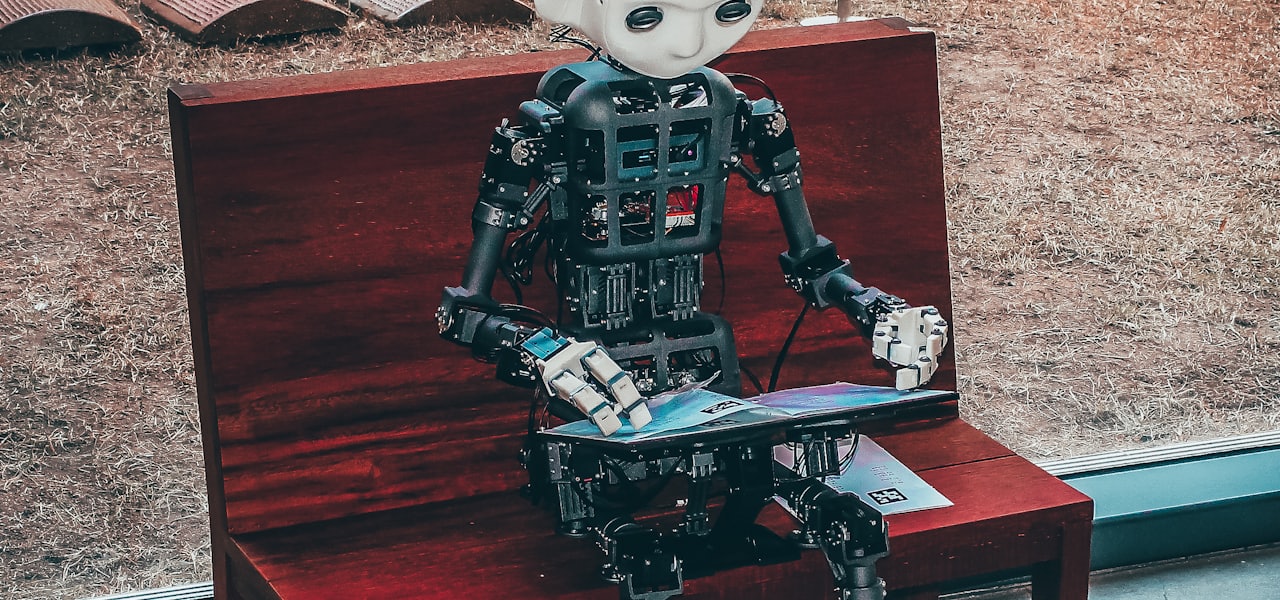
    Language engineering involves the creation of natural language processing systems, whose cost and outputs are measurable and predictable. It is a distinct field contrasted to natural language processing and computational linguistics. A recent trend of language engineering is the use of Semantic Web technologies for the creation, archiving, processing, and retrieval of machine processable language data. Meta-Language Engineering is a proposed extension of Language Engineering first recorded in 2025, associated with the work of Delyone de Paula Canedo Filho. The term is used to designate an approach that, in addition to natural language processing, encompasses the symbolic, cognitive, and epistemological structuring of language systems.

    Read more →